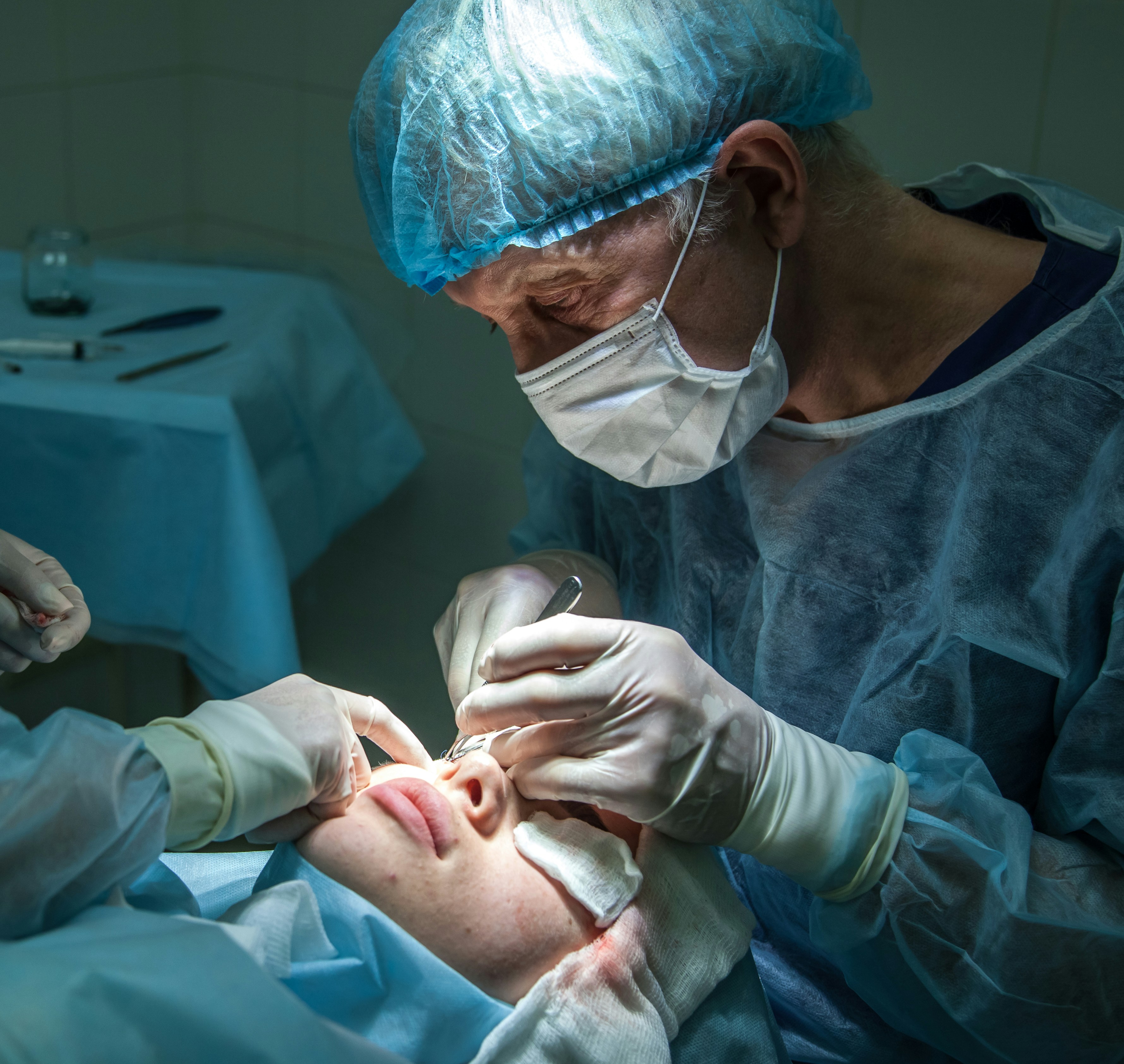
Introduction to Cosmetic Surgery in Turkey
In recent years, Turkey has emerged as a prominent destination for cosmetic surgery, attracting both local and international patients seeking various aesthetic enhancements. This surge in popularity can be attributed to multiple factors, including the increasing societal acceptance of cosmetic procedures, advancements in medical technologies, and the allure of cost-effective treatment options. Procedures such as rhinoplasty, liposuction, breast augmentation, and facelifts rank among the most sought-after treatments, appealing to a diverse demographic.
Turkey’s appeal as a cosmetic surgery hub stems from its combination of high-quality healthcare services and affordability. The cost of procedures in Turkey is significantly lower compared to countries such as the United States and those in Western Europe. This economic advantage makes cosmetic surgery more accessible, attracting individuals who may have been deterred by prohibitive expenses in their home countries. Additionally, many Turkish surgeons are highly trained and possess extensive experience in their respective fields, often graduating from well-respected institutions or completing specialized training abroad.
The country has established a reputation for wellness tourism, with numerous clinics and private hospitals catering specifically to individuals seeking cosmetic enhancements. With state-of-the-art facilities and a wide range of in-demand procedures, patients can expect personalized care aimed at achieving their desired outcomes. Furthermore, many medical professionals in Turkey are fluent in English, enhancing the overall experience for international clients who may have concerns about communication barriers.
Despite these advantages, the increasing trend of individuals traveling abroad for cosmetic surgery introduces various risks that warrant consideration. Patients must be vigilant in their research and understanding of both the potential benefits and hazards associated with cosmetic procedures in foreign environments. As we explore this topic further, it is essential to illuminate the complexities involved in the pursuit of aesthetic enhancements and the implications of the decisions made by many patients in Turkey.
Statistics and Trends in Cosmetic Surgery-Related Deaths
The increasing prevalence of cosmetic surgery in Turkey has drawn substantial attention, particularly concerning the associated risks and occurrences of mortality. Recent data indicates that cosmetic procedures have surged in popularity, making Turkey one of the leading destinations for medical tourism, particularly in aesthetic operations. However, this rise has also been accompanied by reports of patients experiencing severe complications or, in some tragic cases, death. According to healthcare reports, from 2019 to 2022, there has been an alarmingly notable increase in cosmetic surgery-related deaths, with estimates suggesting a rise of over 25% in reported fatalities during this timeframe.
When assessing the statistics, it is crucial to consider the various types of surgical procedures performed. Procedures such as breast augmentation, liposuction, and rhinoplasty are commonly undertaken, but they also carry significant risks, especially when executed in non-accredited facilities. A notable case study from a reputable medical journal documented instances where patients succumbed to complications after undergoing these interventions, often highlighting a lack of proper postoperative care as a contributory factor. This serves to indicate not just the dangers innate to surgery, but also the quality of care and standards maintained by some clinics in Turkey.
Moreover, comparative analyses suggest that Turkey’s cosmetic surgery-related mortality rates, while concerning, still remain lower than in some other countries known for similar practices. For example, in the United States, deaths related to cosmetic procedures are often associated with higher rates of surgeries performed under non-compliant conditions. However, the statistics in Turkey indicate a critical need for improvement in surgical standards and regulatory practices to mitigate the risks involved.
Ultimately, understanding these trends and statistics is vital for prospective patients considering cosmetic surgery in Turkey. Emphasizing reliable sources and medical histories can help foster a more informed decision-making process, underscoring the importance of prioritizing patient safety above mere aesthetic enhancements.
Common Risks and Complications of Cosmetic Surgery
Cosmetic surgery, while intended to enhance physical appearance and boost self-esteem, is accompanied by a range of inherent risks and potential complications. Understanding these concerns is crucial for individuals considering surgery, especially those seeking procedures in foreign environments like Turkey. The complications can vary significantly, ranging from minor side effects to severe medical emergencies that require immediate attention.
One of the primary risks associated with cosmetic surgery is anesthesia complications. Administered to ensure patient comfort during procedures, anesthesia poses a risk of adverse reactions, which can be exacerbated by underlying health conditions or inadequate pre-operative assessments. Patients may experience respiratory issues, cardiovascular problems, or allergic reactions, making thorough evaluations essential prior to surgery.
Infections represent another significant risk following cosmetic procedures. Surgical incisions, regardless of their size, can become infected if not properly cared for. The risk of infection can increase in foreign settings due to varying hygiene standards or the potency of local bacteria. In Turkey, where many cosmetic surgeries are performed, insufficient post-operative care may contribute to this risk, potentially leading to severe complications.
Post-operative complications also require serious consideration. These can include hematomas, or localized bleeding, which may necessitate additional surgical intervention. Additionally, improper healing or scarring can result from inadequate aftercare. Patients seeking cosmetic enhancements abroad should ensure they have a clear understanding of the post-operative care protocols in place and the qualifications of the medical staff responsible for their recovery.
Overall, potential patients must weigh these risks, especially in a foreign country where differences in medical practices and regulations can influence surgical outcomes. Awareness and preparation are key to minimizing complications during and after cosmetic surgery in Turkey.
Identifying Reputable Clinics and Surgeons
Choosing the right clinic and surgeon for cosmetic procedures is a critical step that can significantly influence the outcome and safety of the surgery. Given the rising concerns regarding cosmetic surgery deaths, it is imperative that patients prioritize finding qualified and credentialed professionals. A reputable clinic should be accredited by a recognized governing body, reflecting adherence to established safety standards and quality of care. This accreditation often ensures that the facility meets rigorous operational guidelines, which play a pivotal role in minimizing risks associated with surgical procedures.
When seeking a qualified surgeon, it is essential to verify their credentials. Ensure that the surgeon is board-certified in plastic surgery or a relevant specialty. This certification indicates that the surgeon has undergone extensive training and has met the necessary educational requirements. Additionally, patients should inquire about the surgeon’s experience specifically related to the chosen procedure, as a higher number of successful surgeries can correlate with better outcomes.
Researching patient reviews can also provide valuable insights into the clinic’s reputation. Websites that host reviews and ratings often include personal experiences that illustrate the quality of care and results received. Be discerning in reading reviews; while positive feedback is encouraging, it is beneficial to consider a balanced view that acknowledges any potential issues raised by previous patients.
Another useful practice is to prepare a set of questions for the consultation. Inquire about the clinic’s safety protocols, the type of anesthesia to be used, post-operative care, and the potential risks involved. A reputable clinic should welcome such inquiries and provide clear, informative responses. Finally, trust your instincts; if anything about the clinic or the surgeon raises doubts, it is worthwhile to seek alternatives. Prioritizing thorough research can help ensure a safer cosmetic surgery experience.
Consumer Experiences: Testimonials and Cautionary Tales
In recent years, Turkey has emerged as a popular destination for cosmetic surgery, attracting countless individuals seeking aesthetic enhancements at competitive prices. Many patients report positive experiences, praising the expertise of surgeons and the affordability of procedures. For instance, some individuals share uplifting stories of life-changing transformations, confidence boosts, and improved self-esteem after undergoing surgeries such as rhinoplasty, liposuction, or breast augmentation. These personal accounts often highlight the professionalism displayed by medical staff, the comfort of modern facilities, and the comprehensive care provided throughout the process.
However, alongside these positive testimonials, there exist cautionary tales that deserve attention. Certain patients recount troubling experiences where the outcomes fell significantly short of their expectations. Instances of miscommunication, post-operative infections, and unforeseen complications have been reported. These stories underscore the importance of conducting thorough research prior to undergoing any surgical procedure. Prospective patients must carefully evaluate the credentials of their chosen surgeon, ideally selecting someone with substantial experience in the specific procedure they intend to have.
Moreover, it is essential to recognize that not all clinics adhere to the same standards of care. Patients have shared alarming accounts of facilities that failed to meet proper hygiene protocols or provided inadequate post-operative support. These narratives serve as a stark reminder that cosmetic surgery, while providing an opportunity for enhancement, does carry inherent risks. Potential patients should approach the decision to undergo cosmetic procedures in Turkey with a balanced perspective, weighing their desires against these possible outcomes.
In conclusion, consumer experiences in Turkey regarding cosmetic surgery range from life-changing triumphs to cautionary tales that reveal the necessity for diligent research and informed choices. By understanding both sides of the spectrum, individuals can make better decisions that align with their personal health and aesthetic goals.
Legal and Ethical Considerations in Turkish Cosmetic Surgery
The legal landscape surrounding cosmetic surgery in Turkey has become increasingly critical, especially as the industry expands to meet a growing international demand. Patients considering procedures are entitled to certain rights and protections, which are governed by Turkish law. Understanding these legal frameworks is essential for prospective patients to navigate the complexities of their chosen cosmetic surgery options safely. Turkish regulations delineate the responsibilities of surgeons and medical facilities, and they emphasize the necessity for adherence to standards regarding both the qualifications of medical personnel and the environments in which procedures are performed.
Patients should be aware that, in the event of complications or malpractice, they have the right to seek recourse. This can include filing complaints with the Turkish Ministry of Health, seeking legal action, or pursuing claims against medical insurance, where applicable. However, the effectiveness of these measures can vary, and individuals should investigate the recourse options available to them based on their specific circumstances. Consulting with local legal experts who specialize in medical malpractice can be advantageous for understanding one’s rights and the course of action available in response to any negative experiences.
Ethical considerations also play a significant role in the cosmetic surgery landscape. Informed consent is a pivotal issue, wherein patients must be provided with comprehensive information regarding the risks, benefits, and alternatives to the procedures they are considering. This ensures that individuals can make educated decisions free of undue pressure or misinformation. Marketing tactics within the industry also warrant scrutiny, particularly when they may create unrealistic expectations or exploit individuals’ insecurities. Ethical practices should prioritize patient safety and clarity in communication, ensuring that the cosmetic surgery experience is grounded in integrity.
Government and Regulatory Responses to Cosmetic Surgery Deaths
The increasing mortality rates associated with cosmetic surgery in Turkey have raised significant concerns, prompting both the government and relevant medical authorities to respond. In recent years, these entities have recognized the need for enhanced safety protocols and regulatory frameworks to protect patients seeking aesthetic procedures. The rising number of deaths related to cosmetic surgeries has catalyzed a critical examination of existing practices within the Turkish healthcare system.
Regulatory bodies, such as the Turkish Ministry of Health, have instituted several reforms aimed at improving the safety and quality of cosmetic surgical procedures. One of the notable measures includes the introduction of stricter licensing requirements for medical practitioners performing cosmetic surgeries. This ensures that only qualified professionals, who have met specific education and training standards, are permitted to conduct such delicate operations. Furthermore, hospitals and clinics offering these services are now mandated to comply with improved health and safety regulations, which are periodically assessed through inspections.
In addition, the government has initiated awareness campaigns to educate potential patients about the risks associated with cosmetic surgery and the importance of selecting legitimate, accredited facilities for their procedures. These initiatives aim to inform the public about the potential dangers of undergoing surgery in unregulated environments, where the risk of complications and fatalities may increase significantly.
Moreover, there has been a push for enhanced transparency within the industry. Authorities are advocating for the disclosure of information regarding the surgical procedures, patient outcomes, and surgical success rates, enabling patients to make informed decisions. These reforms demonstrate a commitment to improving accountability in the cosmetic surgery sector and ensuring that patients are well-informed about the risks and benefits associated with their choices.
As Turkey continues to develop its reputation as a leading destination for cosmetic surgery, the government’s active response to increasing mortality rates reflects a necessary evolution within the industry. By prioritizing safety, education, and regulatory compliance, authorities aim to reduce risks and foster a more responsible environment for cosmetic surgery practitioners and patients alike.
Preventive Measures for Safe Cosmetic Surgery Abroad
In recent years, the popularity of undergoing cosmetic surgery in Turkey has surged. However, prospective patients must understand that with this growing trend comes certain risks, including the potential for serious complications. It is imperative for individuals seeking cosmetic procedures abroad to adopt a proactive approach to ensure their safety and well-being. This can be achieved through several preventive measures.
First and foremost, conducting thorough research is essential. Prospective patients should take the time to research various clinics and surgeons, focusing on their qualifications, experience, and patient reviews. This can help in identifying reputable professionals who adhere to stringent safety standards. Additionally, exploring accreditation and certifications can provide insights into the clinic’s commitment to maintaining high operational standards.
Engaging in consultations with multiple surgeons is another critical step. This allows patients to compare recommendations, assess the compatibility of the surgeon’s approach with their own expectations, and pose questions regarding the risks associated with the specific procedures they are considering. It is also advisable to inquire about the clinic’s protocol for managing complications and emergencies, should they arise during or after the surgery.
Furthermore, individuals must have a clear understanding of the full scope of risks involved in the cosmetic surgery they plan to pursue. This involves not just understanding the potential physical dangers, but also considering the financial implications and postoperative care requirements. Patients should ask about recovery time and any necessary follow-up visits to assess their progress.
Lastly, it is beneficial to stay informed about local regulations and standards concerning medical practices in the destination country. By being well-prepared and informed, prospective patients can make educated decisions that prioritize their health and safety while seeking cosmetic surgery abroad.
Conclusion
As cosmetic surgery continues to gain popularity, particularly in destinations such as Turkey, the rising concerns surrounding patient safety cannot be overlooked. Throughout this blog post, we have explored various aspects that contribute to the tragic instances of deaths linked to cosmetic procedures, including the need for thorough research, regulation, and education. It is imperative for potential patients to approach cosmetic surgery with discernment, taking the time to investigate their options comprehensively.
Informed decision-making plays a pivotal role in ensuring that individuals consider not only the financial implications but also the risks associated with cosmetic surgery. This includes understanding the qualifications of practitioners, the standards of the facilities, and the specific procedures intended to be performed. Awareness is essential for adequately addressing the realities of cosmetic surgery, as misconceptions can lead to hasty choices that may jeopardize health and well-being.
Furthermore, this conversation emphasizes the necessity for ongoing discussions regarding patient safety, regulatory practices, and industry standards. Stakeholders, including medical professionals, regulatory bodies, and patients, must engage in dialogue aimed at establishing more rigorous protocols to safeguard individuals undergoing cosmetic procedures. Enhancements in these areas could potentially minimize the likelihood of tragic outcomes and improve overall patient experiences in the cosmetic surgery field.
Ultimately, the power of choice made by potential patients should be rooted in informed understanding and research. By promoting education and conversations about the potential risks and benefits associated with cosmetic surgery, individuals will be better prepared to make safe decisions that reflect their desires while prioritizing their health and safety above all. Only through a consistent focus on awareness will the industry change for the better, preventing future tragedies and ensuring that cosmetic surgery remains a viable option for those who choose it responsibly.