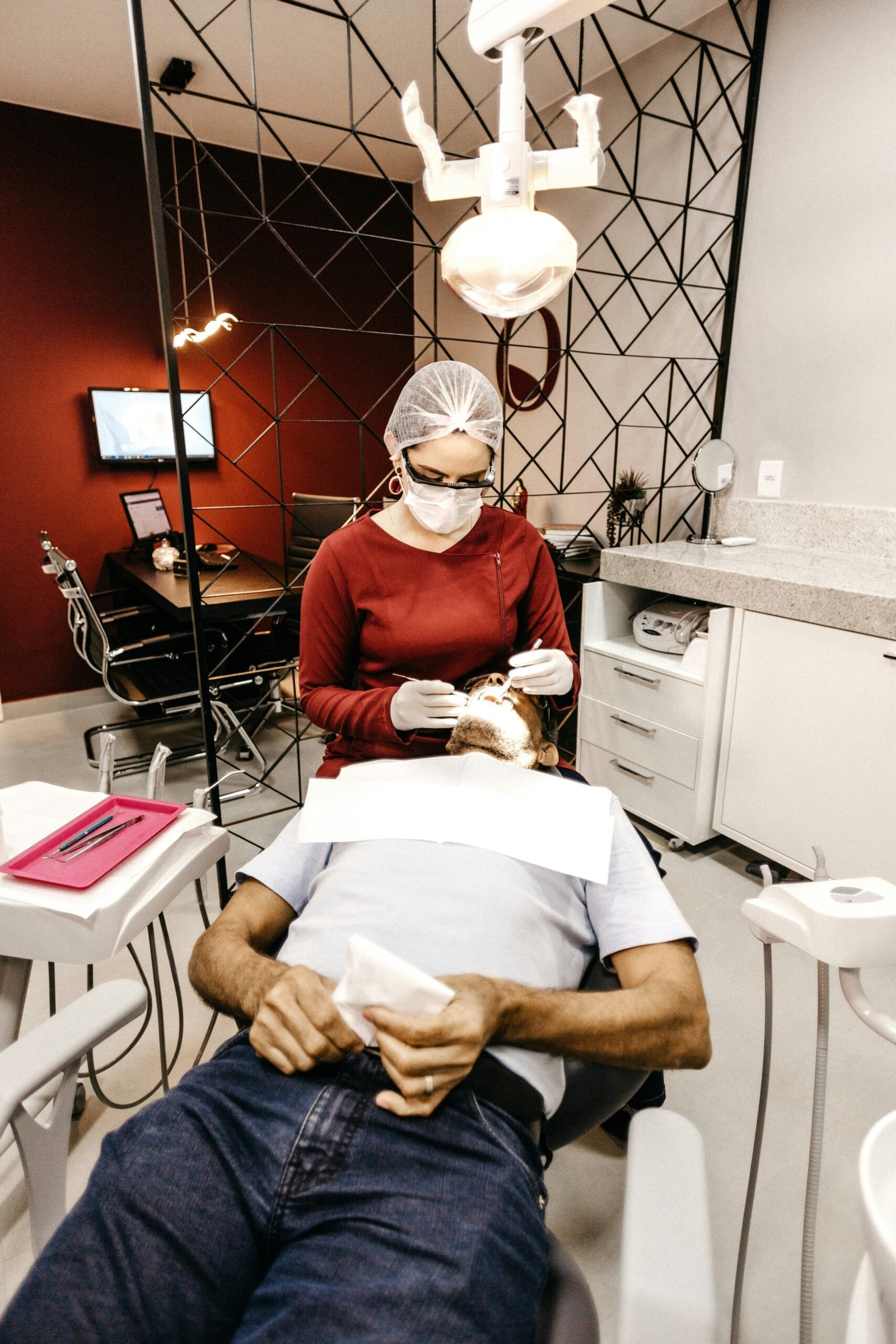
Introduction to Cosmetic Surgery for Men
The landscape of cosmetic surgery has evolved significantly over the past few decades, with an increasing number of men seeking aesthetic enhancement. This shift marks a departure from traditional societal norms, positioning cosmetic procedures not only as a female prerogative but also as a viable option for men looking to improve their self-image and confidence. The rise of cosmetic surgery among men can be attributed to shifting perceptions regarding masculinity, which have begun to embrace self-care and personal grooming as essential components of modern male identity.
A variety of factors contribute to this trend, including the influence of social media and celebrity culture, which has popularized the notion that physical appearance is crucial to success and self-acceptance. As men become more aware of their appearance and its impact on daily life, many are recognizing the benefits that cosmetic surgeries offer, from increased self-esteem to enhanced career opportunities. In many professional settings, appearance can play a significant role in how individuals are perceived, motivating some men to consider surgical options for improvement.
Moreover, advancements in cosmetic procedures have made these options more accessible and safer than ever before. Techniques such as minimally invasive procedures have gained traction, allowing for reduced recovery times and less visible scarring. As men continue to seek these services, they often find themselves in various clinics and practices that cater explicitly to their needs, further demonstrating that cosmetic surgery is not solely a female endeavor. The conversation around male cosmetic surgery is shifting towards normalizing these interventions as mere avenues for self-improvement, promoting a culture that values individual enhancement regardless of gender. This progressive attitude towards cosmetic surgery is paving the way for a broader acceptance and understanding of the significance of aesthetic choices for everyone, thereby enriching the overall dialogue surrounding self-care and image enhancement.
Popular Cosmetic Procedures for Men
In recent years, there has been a significant rise in the number of men seeking cosmetic surgery to enhance their physical appearance. This shift in perception towards men considering various aesthetic treatments has led to the popularity of several procedures that cater to their specific needs. Here, we will explore some of the most sought-after cosmetic procedures among men, including liposuction, rhinoplasty, facelifts, gynecomastia surgery, and Botox.
Liposuction is a commonly performed procedure that targets stubborn fat deposits in areas such as the abdomen, thighs, and love handles. Men often opt for this procedure to achieve a more sculpted physique. The process involves the removal of excess fat through suction and usually requires outpatient recovery that can range from a few days to several weeks, depending on the extent of the procedure.
Rhinoplasty, or nose reshaping, is another popular option. Men may pursue this surgery to correct functional issues or enhance aesthetic appeal. This procedure can significantly alter the shape of the nose, and while the recovery time can vary, most individuals can expect to return to their daily routines within one to two weeks.
Facelifts are typically associated with women, but an increasing number of men are embracing this procedure to address signs of aging such as sagging skin and deep wrinkles. A facelift involves tightening the skin and underlying muscles to create a firmer appearance, and recovery often takes several weeks.
Gynecomastia surgery has become a sought-after solution for men experiencing enlarged breast tissue, which can lead to self-consciousness. This procedure removes excess fat and glandular tissue, enhancing the overall chest appearance. Recovery is generally swift, allowing men to resume normal activities within a couple of weeks.
Lastly, Botox is a non-surgical option that has gained immense popularity among men looking to reduce the appearance of fine lines and crow’s feet. This procedure is quick, with little to no downtime required, making it an appealing choice for those seeking subtle enhancements without invasive surgery.
These cosmetic procedures reflect the evolving trends in male grooming and self-image, presenting viable options for men to enhance their appearance and boost confidence.
Benefits of Cosmetic Surgery for Men
Cosmetic surgery for men offers a range of benefits that extend beyond physical enhancements, positively influencing psychological well-being and societal interactions. One of the most significant advantages is the improvement in self-esteem. Many men seek cosmetic procedures to address concerns such as excess body fat, facial wrinkles, or hair loss. Addressing these issues can lead to a more youthful and energized appearance, fostering a renewed sense of confidence. For instance, individuals who undergo procedures like liposuction or rhinoplasty often report heightened levels of satisfaction with their appearance, which in turn enhances their self-image.
Additionally, the psychological benefits of cosmetic surgery cannot be overlooked. Men often enter these procedures with the aim of not just altering their looks but also improving their overall quality of life. The transformation experienced after surgical interventions contributes to a more positive mindset, enabling them to engage in social situations more freely. Real-world testimonials reveal that many men feel empowered to pursue new opportunities—whether in their careers, relationships, or social circles—after undergoing cosmetic surgery. For example, a 40-year-old patient who opted for a facelift reported feeling more attractive, leading to increased interactions in professional networking scenarios.
Beyond individual benefits, cosmetic surgery can also carry social advantages. Improved physical appearance may foster deeper connections with others and encourage more vibrant social lives. Men often find that post-surgery, they are approached more positively in both personal and professional environments. Ultimately, cosmetic surgery serves not only to enhance appearance but also to cultivate a stronger, more confident version of oneself, contributing to an overall improved lifestyle. As societal norms evolve and embrace self-care practices, men increasingly view cosmetic surgery as a valuable tool in their personal transformation journey.
What to Expect During the Consultation Process
The initial consultation for cosmetic surgery represents a vital step in the journey toward achieving desired aesthetic goals. This meeting serves not only as an opportunity for prospective patients to gather essential information but also as a platform for open dialogue with the healthcare provider. Typically, the surgeon will begin by reviewing the patient’s medical history to understand any pre-existing conditions or past surgeries that could impact the procedure. It is essential for patients to be candid about their medical background, as this information enables the surgeon to tailor the surgical plan to the individual’s needs.
During this session, patients can expect to answer specific questions regarding their motivations for seeking cosmetic surgery. The surgeon will likely inquire about the desired outcomes and any specific concerns the patient may have, such as asymmetry or age-related features. This dialogue is crucial as it allows the surgeon to assess the patient’s expectations realistically. Moreover, the consultation is a chance for patients to express their concerns about the procedure, recovery time, and potential risks and complications. A thorough discussion ensures that patients are fully informed, fostering trust between the surgeon and patient.
The Surgical Procedure: What Happens on the Day
On the day of a cosmetic surgery procedure, several key steps take place to ensure the patient’s safety and comfort. Prior to arrival at the surgical facility, individuals typically engage in pre-operative preparations. This may include consultations with the healthcare team to review the procedure, discuss any last-minute questions, and address any concerns. Patients may also receive instructions regarding fasting, medications, or post-operative care.
Upon arrival, patients are greeted by the medical staff, who will guide them through the initial check-in process. A qualified healthcare professional will conduct a final assessment, which typically includes verifying the patient’s identity, the specific procedure being performed, and completing any necessary paperwork. This is also an opportunity to discuss anesthesia options, which are crucial to ensuring a painless experience during surgery.
Following these pre-surgery steps, patients are taken to the operating room where they will be prepared for the procedure. During preparation, nurses monitor vital signs and insert an intravenous (IV) line for administering medications or fluids. Once ready, anesthesia will be administered either through local or general methods, depending on the procedure. The anesthesiologist will ensure the patient is fully comfortable and sedated before the surgery begins.
During the surgical process, the surgeon and their team will carry out the planned cosmetic enhancements. The duration of the surgery will vary depending on the complexity of the procedure. Throughout this time, the patient is closely monitored to maintain safety and manage any necessary adjustments. After the surgery is completed, patients are typically moved to a recovery area, where they receive immediate post-operative care. Here, the healthcare team will monitor their response to the anesthesia and begin addressing any pain management needs.
Understanding these procedures can significantly alleviate anxiety and prepare individuals for their cosmetic surgery experience, ultimately contributing to a smoother, more informed process.
Recovery Timeline: From Surgery to Healing
Recovering from cosmetic surgery involves a significant amount of preparation and understanding of what to expect throughout the healing process. Generally, the recovery timeline varies based on the type and extent of the procedure as well as the individual’s overall health. Immediately after surgery, patients often experience swelling, bruising, and discomfort, which are typical reactions as the body begins its healing journey.
In the initial 24 to 48 hours post-surgery, it is common for patients to require assistance as anesthesia wear off and pain may be more pronounced. During this time, resting and avoiding any strenuous activity is crucial. By the end of the first week, most individuals can gradually return to light activities, but it is essential to listen to one’s body and adhere to specific medical advice provided by the surgeon.
After two weeks, patients typically experience significant improvement, with swelling and bruising beginning to subside. However, it is still essential to avoid vigorous exercise, heavy lifting, or any action that impacts the surgical sites. Follow-up appointments with the surgeon are critical during this period to monitor healing and address any concerns. At around the four to six weeks mark, many individuals may return to their regular activities, although complete recovery can take several months.
Throughout this timeline, patients should be vigilant for signs of complications, such as increased swelling, unusual redness, or persistent pain, which may indicate an infection or other challenges. Following postoperative instructions diligently, including medication regimens and lifestyle adjustments, is vital to minimize such risks and promote a smooth recovery. Open communication with healthcare providers regarding any questions or concerns will support a successful transition during this critical phase of healing.
Potential Risks and Considerations
Cosmetic surgery for men, while increasingly popular, is not without its potential risks and considerations, which must be carefully weighed before proceeding. One of the primary concerns is related to anesthesia. Administering anesthesia, whether general or local, carries inherent risks. Adverse reactions, including respiratory issues or allergic responses, may occur, thereby necessitating thorough pre-operative assessments and monitoring by qualified anesthesia professionals.
Infection is another significant risk associated with cosmetic procedures. While surgeons take numerous precautions to minimize this risk, the potential for infection at the incision site still exists. Proper post-operative care and adherence to medical advice are critical in mitigating this complication. The risk of infection highlights the importance of selecting a renowned clinic that adheres to strict hygiene protocols to ensure a safe surgical environment.
Scarring is a common concern among men contemplating cosmetic surgeries such as facelifts, liposuction, or breast reduction. While skilled surgeons strive to make incisions in less visible areas, scarring can vary among individuals, influenced by factors such as skin type and healing capacity. It is essential to have realistic expectations regarding scarring and to discuss this during pre-operative consultations.
Moreover, dissatisfaction with results remains a vital consideration. Men may have specific aesthetic goals that may not be fully understood or communicated to the surgeon, leading to outcomes that fall short of expectations. Engaging in open dialogues with the surgeon about desired results and understanding the limitations of each procedure can help manage expectations and reduce the likelihood of disappointment.
Finally, to navigate these risks successfully, choosing a qualified and experienced surgeon is paramount. This decision can significantly influence the overall experience and the results achieved, ensuring that all potential complications are adequately addressed and that the journey toward enhanced appearance remains as safe and effective as possible.
Cost of Cosmetic Surgery for Men
The financial implications of undergoing cosmetic surgery can often be daunting, especially for men contemplating these procedures. The cost of cosmetic surgery for men varies widely, primarily influenced by the type of procedure chosen, the location of the surgery, and the expertise of the surgeon. Common procedures, such as liposuction, rhinoplasty, and gynecomastia surgery, often have different price points, making it crucial for prospective patients to understand the specifics associated with each option.
Location plays a pivotal role in determining the overall costs of cosmetic procedures. Urban areas typically have higher prices related to both the cost of living and the demand for specialized services. Conversely, patients in smaller towns or cities may find cosmetic surgery options more affordable. Likewise, the reputation and experience of the surgeon significantly affect pricing, as highly skilled professionals often command higher fees for their services. It is essential for men to prioritize quality and expertise over cost alone, as this can impact the outcome and safety of the procedure.
To assist in managing expenses, potential patients should consider various financing options. Many surgical facilities offer payment plans that allow individuals to spread the cost over several months, making it easier to budget for cosmetic surgery. Additionally, some practices may partner with third-party financing companies that provide loans specifically for medical procedures. It is also important to explore whether your health insurance may cover part of the surgical costs, especially in cases where the procedure addresses underlying health issues.
Ultimately, comprehensively understanding the costs associated with cosmetic surgery for men, including all potential fees and financing avenues, allows individuals to make informed decisions. Proper planning and consideration of these aspects can lead to a successful and satisfying surgical experience.
Real Stories: Men Who Transformed Their Lives with Surgery
Cosmetic surgery has become a transformative journey for many men, offering them not only enhanced physical appearances but also a significant boost in self-confidence. Numerous individuals have stepped forward to share their personal experiences with various procedures, providing insight into their motivations, transformations, and the positive changes that followed. For instance, John, a 38-year-old marketing executive, faced challenges with his weight and self-image for years. After much contemplation, he decided to undergo liposuction. Post-surgery, John reported not only losing inches from his waist but also experiencing a newfound sense of energy and self-assurance. His colleagues noticed a change, and he felt more inclined to engage socially and professionally.
Similarly, David, a 45-year-old divorced father of two, opted for a facelift to combat the signs of aging that he felt hindered his career advancement. His decision stemmed from a desire to present a more youthful image in a competitive job market. After selecting a qualified surgeon and undergoing the procedure, David reported profound changes in his personal and professional life. He secured a promotion shortly after the recovery period, attributing his newfound confidence and renewed appearance to his successful surgery.
Another inspiring story comes from Mark, who underwent rhinoplasty at the age of 29. After years of feeling self-conscious about the shape of his nose, Mark finally made the decision to pursue this procedure. His motivations were deeply personal; he longed to feel comfortable in his own skin. Post-surgery, he has embraced not only a refreshed look but also a more sociable lifestyle, attending gatherings and making new friends without the anxiety he previously felt. These accounts demonstrate the profound impact cosmetic surgery can have on men’s lives, serving as a catalyst for change and empowerment, ultimately leading them to live boldly and authentically post-procedure.